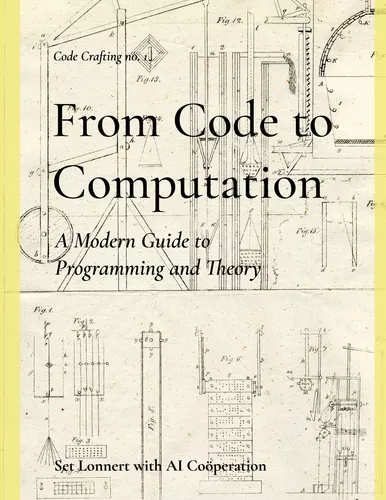
If you've written code and wrestled with algorithms, you know the satisfaction of making a machine do exactly what you tell it. But something fundamental is shifting in how we work with computers, and the best way to understand that shift is to build your way through it.
This book explores computation's evolution from predictable algorithms to adaptive systems through hands-on projects that demand both technical skill and conceptual understanding. You won't just read about virtual machines or language models. You'll implement them, experiment with them, and develop intuition about when each approach makes sense. Each project builds on the last, creating a learning journey from mechanical precision to fluid reasoning.
The project-based approach means you'll spend more time building than reading, more time experimenting than memorizing. You'll encounter challenges that require creative problem-solving, debug systems that behave in unexpected ways, and gradually develop the kind of judgment that only comes from direct engagement with computational systems. The book assumes working knowledge of Python and C at an intermediate level, along with familiarity with basic computer science concepts, but the real prerequisite is willingness to learn through making.
If you're ready to expand beyond writing code to reasoning about systems (and to do so by building rather than just studying), this book is your guide.
Set Lonnert has been exploring, teaching, and writing about computers since the beginning of the 1980s, when personal computing was just beginning to transform how people work and think. Over the decades, he has published widely on programming languages, early internet technologies, and web development, adapting his teaching and writing as new platforms and paradigms emerge. His work spans educational materials, technical documentation, and reflective essays on how computational thinking shapes our understanding of problems and solutions.
Throughout his work, Lonnert has been both programmer and educator, writing code and writing about code in equal measure. His practical experience with software development informs his teaching approach, connecting conceptual ideas to the realities of building and maintaining systems. He approaches computation as craft as much as theory, shaped by the everyday work of debugging, problem-solving, and working within constraints.
This book reflects his lifelong dedication to understanding and sharing the evolving world of computation, bringing together insights from decades of practice, teaching, and observation of how technology reshapes the way we engage with information and possibility.








Det finns inga presskommentarer tillgängliga just nu.